

How Pets Improve Mental Health: Science-Backed Benefits of Animal Companionship. Pet mental health is becoming an increasingly important topic as more people recognize the emotional and psychological benefits of animal companionship. From reducing anxiety and depression to improving mood and lowering stress, pets play a powerful role in supporting overall mental well-being.
Whether you own a dog, cat, or another companion animal, research shows that the human-animal bond can have measurable effects on mental health.
🧠 What Is Pet Mental Health?
Pet mental health refers to how animals positively influence human emotional and psychological well-being. It includes the effects pets have on:
- Stress levels
- Anxiety and depression symptoms
- Emotional regulation
- Loneliness and isolation
- Overall mood and happiness
In short, pet mental health is about how pets help improve human mental wellness through companionship, routine, and emotional connection.
💛 How Pets Improve Mental Health (Key Science-Backed Benefits)
1. Pets Reduce Stress and Lower Cortisol
One of the strongest findings in pet mental health research is stress reduction.
Interacting with pets can:
- Lower cortisol (stress hormone)
- Reduce blood pressure and heart rate
- Promote relaxation within minutes
Even simple actions like petting a dog or cat can activate the parasympathetic nervous system, helping the body calm down naturally.
2. Pets Improve Anxiety and Depression Symptoms
Pets provide consistent emotional support, which can significantly help people experiencing anxiety or depression.
Benefits include:
- Reduced feelings of loneliness
- Emotional grounding during anxiety episodes
- Increased feelings of safety and comfort
- A sense of companionship during depressive states
This is why emotional support animals are often recommended in mental health care settings.

Are you finding this article useful? Would you like 100% free access to more articles like these, and free access to over 5,000 vetted pet care service professionals throughout the United States? Sign up here for a free Petworks account, and we’ll email you a 10% discount code, good towards your first pet care services booking on Petworks!
3. Pets Increase Oxytocin and Emotional Bonding
The bond between humans and pets triggers the release of oxytocin, often called the “love hormone.”
This leads to:
- Stronger emotional attachment
- Reduced stress response
- Increased feelings of trust and calm
- Improved mood and emotional stability
This biochemical response is a core reason pets have such a strong impact on pet mental health.
“Studies show that dogs reduce stress, anxiety and depression. They ease loneliness, encourage exercise and improve your overall health… Just playing with a dog has been shown to raise levels of the feel-good brain chemicals oxytocin and dopamine.” – American Heart Association
4. Pets Help Reduce Loneliness and Social Isolation
Loneliness is a major factor in poor mental health outcomes.
Pets help by:
- Providing constant companionship
- Encouraging daily social interaction (walks, parks, vet visits)
- Acting as social connectors between people
Dog owners, in particular, often report higher levels of social engagement and community interaction.
“Dogs are very present. If someone is struggling with something, they know how to sit there and be loving.” – Dr. Ann Berger, Physician & Researcher, NIH Clinical Center
5. Pets Encourage Physical Activity, Supporting Mental Health
Physical movement is strongly linked to better mental health.
Pets (especially dogs) encourage:
- Daily walking and exercise
- Outdoor activity and sunlight exposure
- Routine physical engagement
Exercise releases endorphins, which naturally improve mood and reduce symptoms of depression and anxiety.
6. Pets Create Routine, Structure, and Purpose
A major but often overlooked part of pet mental health is routine.
Pets require:
- Feeding schedules
- Walks and exercise
- Grooming and care
- Daily attention and interaction
This structure helps people:
- Maintain consistency
- Reduce feelings of chaos or overwhelm
- Build a sense of purpose and responsibility
This is especially beneficial for individuals struggling with depression or burnout.
7. Pets Improve Overall Mood and Emotional Stability
Regular interaction with pets is linked to:
- Improved daily mood
- Greater emotional resilience
- Reduced emotional volatility
- Increased feelings of happiness and fulfillment
- Improved Animal Behavior
The simple presence of a pet can provide emotional grounding during stressful moments.
“Our dedication is to happier, healthier pets, and their families.” – Kevin Kinyon, Co-Founder & President, PetWorks.
🧪 What The Research Says
Scientific studies from major psychological and medical organizations consistently show that pet ownership is associated with:
- Lower stress levels
- Reduced anxiety symptoms
- Decreased depression risk
- Improved emotional well-being
- Higher life satisfaction
While pets are not a replacement for professional mental health treatment, they are a powerful complementary support system.
🐶 Types of Pets and Their Mental Health Benefits
Different animals support pet mental health in different ways:
Dogs
- Encourage routine and exercise
- Provide strong emotional bonding
- Increase social interaction
Cats
- Offer calming companionship
- Reduce stress through quiet presence
- Support emotional regulation
Small Pets (rabbits, hamsters, etc.)
- Provide routine and caregiving structure
- Offer comfort with low maintenance demands
⚠️ Important Note on Pet Mental Health
While pets can significantly improve mental health, they are not a substitute for professional care. If you are experiencing severe anxiety, depression, or emotional distress, it is important to seek support from a licensed mental health professional.
❓ FAQs About Mental Health & Pets
What is pet mental health?
Pet mental health refers to how animals positively impact human emotional and psychological well-being, including stress reduction and emotional support.
How do pets improve mental health?
Pets improve mental health by lowering stress hormones, increasing oxytocin, reducing loneliness, and encouraging routine and physical activity.
Can pets help with anxiety and depression?
Yes. Research shows pets can reduce symptoms of anxiety and depression by providing companionship, emotional stability, and routine.
Which pet is best for mental health?
Dogs and cats are most commonly associated with mental health benefits, but the best pet depends on lifestyle and emotional needs.
About PetWorks
 In 2021, Dr. Marty Goldstein DVM joined the pet care platform PetWorks as an advisor in its Animal Nutrition care division. Dr Marty Nature’s Blend is on a mission to help your pets live their healthiest lives possible. Dr. Marty’s pet nutrition expertise and guidance has helped PetWorks evolve and become the preeminent animal and pet nutrition consultation service for pet parents in North America.
 In 2022, Blue Buffalo Founder Bill Bishop Jr. joined PetWorks as Senior Advisor in our Animal Nutrition Care Division. Bill brings his extensive expertise in pet food innovation and business leadership. His guidance helps PetWorks enhance our pet nutrition service offerings, helping to ensure that pet parents throughout the world receive trusted, science-backed nutritional support for their dogs, cats, and animals.
About The Author
 PetWorks Co-Founder Kevin Kinyon is a life-long animal lover who works tirelessly to improve the lives of pets and their parents. Human and animal qualities he values most are integrity, humor, and empathy.


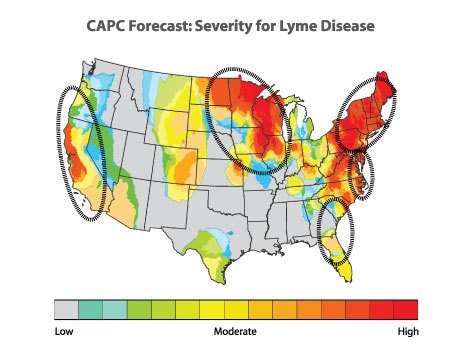
 Northeast On High Alert
 Spray For Ticks