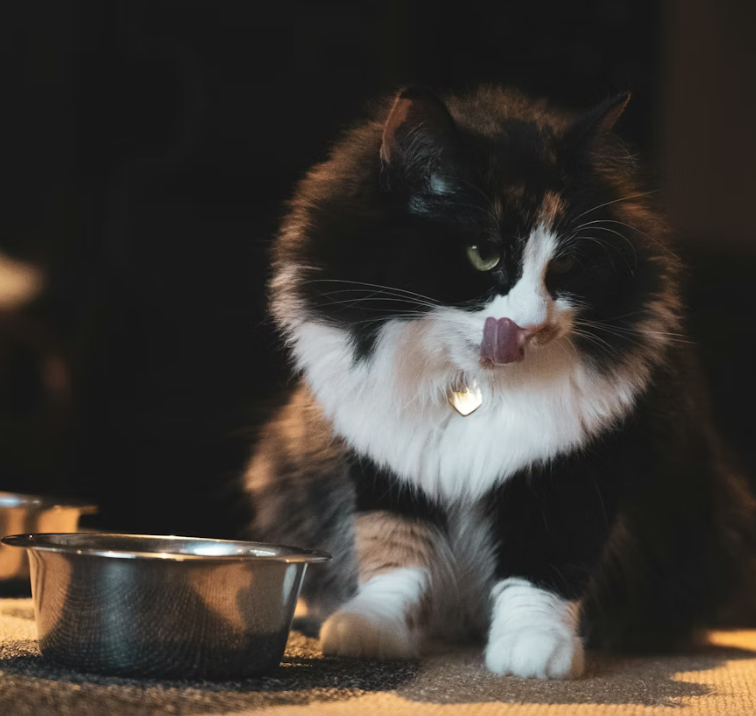
Let’s discuss how you can manage your senior cat’s weight and diet. In this article, we have tips for a happy, healthy older cat. As cats age, their nutritional needs and metabolism change significantly. Managing your senior cat’s weight and diet is essential to ensuring they stay healthy, active, and comfortable in their golden years. Whether your cat is 10, 12, or 15 years old, adopting the right feeding strategies and monitoring their weight can prevent many age-related health problems, from diabetes to arthritis. In this guide, we’ll cover everything you need to know to keep your older cat in optimal condition.
Why Senior Cats Need Special Attention
Just like humans, cats experience metabolic and lifestyle changes as they age. Senior cats tend to be less active, which can lead to weight gain if their diet is not adjusted. Conversely, some older cats may lose weight due to health issues like dental problems, hyperthyroidism, kidney disease, or digestive difficulties. Both weight gain and weight loss can be serious concerns for senior cats, making dietary management a critical part of their care routine.
Key reasons senior cats need dietary management include:
-
Slower metabolism: Older cats burn calories more slowly, increasing the risk of weight gain.
-
Muscle loss: Age-related muscle loss can affect mobility and strength. Proper protein intake is essential to maintain muscle mass.
-
Digestive changes: Aging can impact nutrient absorption, requiring more digestible, nutrient-rich foods.
-
Health conditions: Conditions like kidney disease or diabetes are more common in senior cats and require specific dietary adjustments.
Signs Your Senior Cat May Have Weight Issues
It’s important to monitor your cat’s body condition regularly. Here are some signs your senior cat may be overweight or underweight:
-
Overweight signs: Difficulty jumping, decreased activity, a visible belly, or a rounder body shape.
-
Underweight signs: Prominent spine or ribs, reduced muscle mass, lethargy, or poor coat condition.
-
Behavioral signs: Increased or decreased appetite, vomiting, or changes in litter box habits.
 If you notice sudden weight changes in your senior cat, it’s essential to consult your veterinarian immediately, as this could indicate an underlying health problem.
Best Diet Practices for Senior Cats
1. Choose a High-Quality Senior Cat Food
Senior cat foods are specially formulated to meet the nutritional needs of aging cats. They often contain:
-
High-quality protein: Supports muscle maintenance and overall health. Look for animal-based proteins like chicken, turkey, or fish.
-
Moderate fat levels: Helps manage weight without depriving your cat of essential fatty acids.
-
Digestible carbohydrates: Older cats may need fewer carbs, but highly digestible sources like rice or sweet potato are ideal.
-
Added vitamins and minerals: Supports immune function, joint health, and overall vitality.
Tip: Check the label for ingredients and avoid foods with excessive fillers, artificial additives, or low-quality by-products.
2. Monitor Portion Sizes
Overfeeding is one of the most common causes of weight gain in senior cats. Use the feeding guidelines on the cat food packaging as a starting point, but adjust based on your cat’s activity level, age, and body condition.
Practical tips for portion control:
-
Divide meals into 2–3 smaller servings per day.
-
Use a measuring cup to ensure consistent portions.
-
Track your cat’s weight monthly to make adjustments as needed.
Let’s Hear From A Cat Nutrition Expert: “Most senior cats are fed dry, carbohydrate‑loaded cat kibble. It is low in moisture, low in protein and often with the wrong type of protein. For our senior cats, ensure they have increased amount of water. Feed them a canned, high‑protein, moisture‑rich cat food. That’s going to prevent so many of the most common cat diseases.”
– Dr. Andrew Jones, DVM
3. Encourage Hydration
Hydration is critical for senior cats, particularly if they are prone to kidney or urinary problems. Wet food can help increase water intake, but always provide fresh water daily.
Tip: Some cats prefer running water, so consider a cat fountain to encourage drinking.

Are you finding this article useful? Would you like 100% free access to more articles like these, and free access to over 5,000 vetted pet care service professionals throughout the United States? Sign up here for a free Petworks account, and we’ll email you a 10% discount code, good towards your first pet care services booking on Petworks!
4. Include High-Quality Protein
Protein is essential for maintaining lean muscle mass in senior cats. Unlike younger cats, older cats may require slightly higher protein levels, especially if they are losing weight. Opt for high-protein wet or dry foods with recognizable meat sources.
5. Avoid Overfeeding Treats
While treats can be part of your cat’s routine, they can contribute to weight gain if not monitored. Limit treats to no more than 10% of daily caloric intake and choose healthy options, like freeze-dried meat or small pieces of cooked chicken.
6. Adjust Diet for Specific Health Conditions
Senior cats often develop age-related conditions that require dietary changes:
-
Kidney disease: Diets lower in protein and phosphorus can support kidney health.
-
Diabetes: Low-carb diets can help regulate blood sugar levels.
-
Dental issues: Soft or wet food may be easier for cats with dental problems.
Consult your veterinarian or feline nutritionist to determine if a prescription or therapeutic diet is necessary.
How to Help Your Cat Maintain a Healthy Weight
Encourage Gentle Exercise
Even senior cats benefit from regular activity. Encourage play with interactive toys, laser pointers, or gentle climbing structures. Short, frequent play sessions are ideal for older cats with limited energy.
Monitor Weight Regularly
Weigh your cat monthly and keep a log. Gradual weight changes are easier to manage than sudden shifts. If you notice rapid gain or loss, consult your veterinarian.
Create a Comfortable Eating Environment
Older cats may be sensitive to stress or environmental changes. Ensure they have a quiet, safe place to eat. For cats with arthritis, elevated feeding bowls can reduce strain on their joints.
Tips for Transitioning to a Senior Diet
Switching your cat to senior-specific food should be done gradually over 7–10 days to avoid digestive upset:
- Mix 25% new food with 75% old food for the first 2–3 days.
- Gradually increase the new food to 50% over the next 2–3 days.
- Move to 75% new food for 2 days.
- Fully transition to 100% new food by day 7–10.
Monitor your cat’s response and appetite during this transition.
Common Mistakes to Avoid
-
Ignoring weight changes: Even slight weight loss or gain can indicate underlying issues.
-
Feeding adult cat food: Older cats have different nutritional needs that adult formulas may not meet.
-
Skipping vet checkups: Regular veterinary visits are essential for monitoring health and adjusting diet.
-
Over-relying on treats: Treats can add extra calories without providing proper nutrition.
Signs Your Senior Cat is Thriving
A senior cat in good health and on a proper diet will typically show:
-
Shiny, healthy coat
-
Steady, appropriate weight
-
Good muscle tone
-
Normal energy levels and mobility
-
Healthy appetite and digestion
If your senior cat demonstrates these signs, it’s a good indicator that their diet and weight management plan is working effectively.
Senior Cat Diet & Weight Management FAQ
Q1: How often should I weigh my senior cat?
A: Monthly weigh-ins are ideal. Sudden weight loss or gain can indicate health problems and should prompt a vet visit.
Q2: What type of food is best for older cats?
A: High-protein, moderate-fat, moisture-rich foods are best. Wet food helps with hydration and easier digestion.
Q3: Can older cats eat adult cat food?
A: Senior cats have unique nutritional needs. Adult formulas may lack key nutrients for aging cats, so a senior-specific diet is recommended.
Q4: How can I prevent my senior cat from gaining weight?
A: Measure portions, limit treats, encourage gentle play, and choose low-calorie, nutrient-dense foods.
Q5: What if my senior cat refuses new food?
A: Transition gradually over 7–10 days, mixing increasing amounts of new food with the old. Patience and consistency help most cats adjust.
Managing your senior cat’s weight and diet is one of the most impactful ways to ensure a long, comfortable, and happy life. By providing high-quality, protein-rich food, monitoring portions, encouraging hydration and gentle exercise, and adjusting for health conditions, you can help your older cat maintain their vitality and quality of life.
Remember: Every cat is unique. Regular veterinary checkups, careful monitoring, and tailored nutrition are key to keeping your senior cat healthy. A few small adjustments today can make a huge difference in your cat’s comfort and well-being in their senior years.
About Petworks
 In 2021, Dr. Marty Goldstein DVM joined the pet care platform Petworks as an advisor in its Animal Nutrition care division. Dr Marty Nature’s Blend is on a mission to help your pets live their healthiest lives possible. Dr. Marty’s pet nutrition expertise and guidance has helped Petworks evolve and become the preeminent animal and pet nutrition consultation service for pet parents in North America.
 In 2022, Blue Buffalo Founder Bill Bishop Jr. joined Petworks as Senior Advisor in our Animal Nutrition Care Division. Bill brings his extensive expertise in pet food innovation and business leadership. His guidance helps Petworks enhance our pet nutrition service offerings, helping to ensure that pet parents throughout the world receive trusted, science-backed nutritional support for their dogs, cats, and animals.
About The Author
 Petworks Co-Founder Kevin Kinyon is a life-long animal lover who works tirelessly to improve the lives of pets and their parents. Human and animal qualities he values most are integrity, humor, and empathy.